Why getting around African cities is still broken
Picture this: you are standing on a busy street in Casablanca. You need to get across town for a meeting in 45 minutes. There is a bus somewhere, but you are not sure which number or when it arrives. You could take a taxi, but you do not know the price until you negotiate. A friend mentioned a shuttle service, but you would need a different app for that.
This is the daily reality for millions of commuters across Africa. Transport infrastructure exists, but it is fragmented. Buses, taxis, shuttles, and trains all operate independently, each with their own schedules, payment methods, and booking systems. The result? People waste 30 to 60 minutes every day just figuring out how to get from A to B.
That is the problem Weego was built to solve.

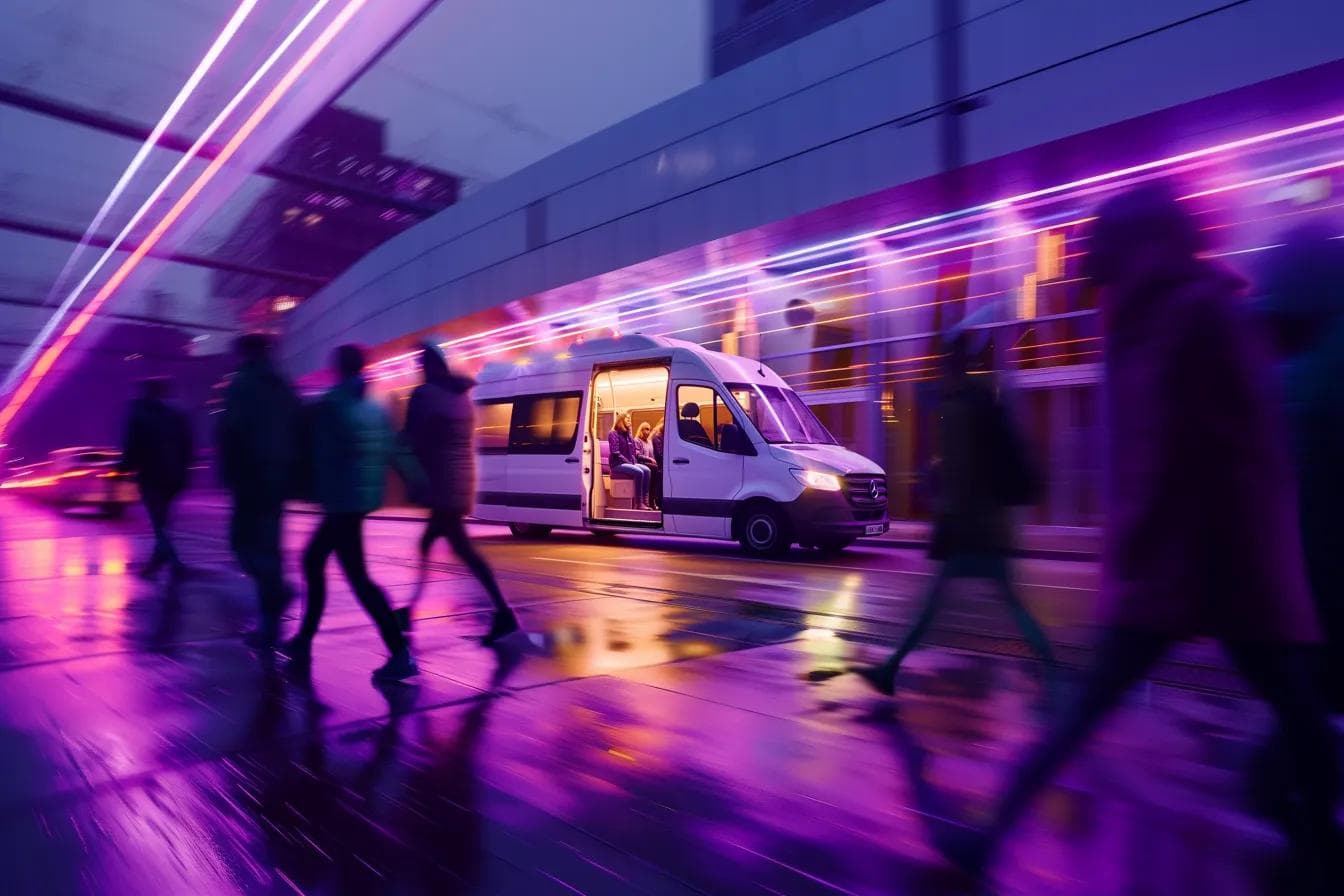
Fragmented transport options across African cities create daily friction for millions of riders.
One app that connects everything
Weego takes every transport option in your city and puts it on a single screen. Open the app, type where you are going, and instantly see every way to get there: which bus to take, how much a taxi costs, when the next shuttle leaves, or whether the train is faster.
Each option shows you the price, estimated travel time, and live availability. You compare, choose what works, and book in one tap. Payment happens inside the app: credit card, mobile money, or your Weego wallet. No cash exchanges, no price negotiations, no switching between three different apps.
Once you are on your way, live GPS tracking shows you exactly where your vehicle is. You get a notification when it is 2 minutes away so you know when to step outside. After the ride, your receipt is stored automatically in the app.
“The best technology is the kind that removes friction you did not even know you were dealing with. That is what Weego does for daily commuters.”
40,000 riders and counting
Since launching in Morocco, Weego has grown to over 40,000 active riders. We are live in Casablanca, Rabat, Marrakech, and Tanger, with Dakar and Thies in Senegal. New cities launch every quarter.
But the numbers only tell part of the story. What matters is the time people get back. An average Weego rider saves 25 minutes per day on their commute. That is over 150 hours a year per person. Time that used to be spent waiting, guessing, and negotiating is now spent living.
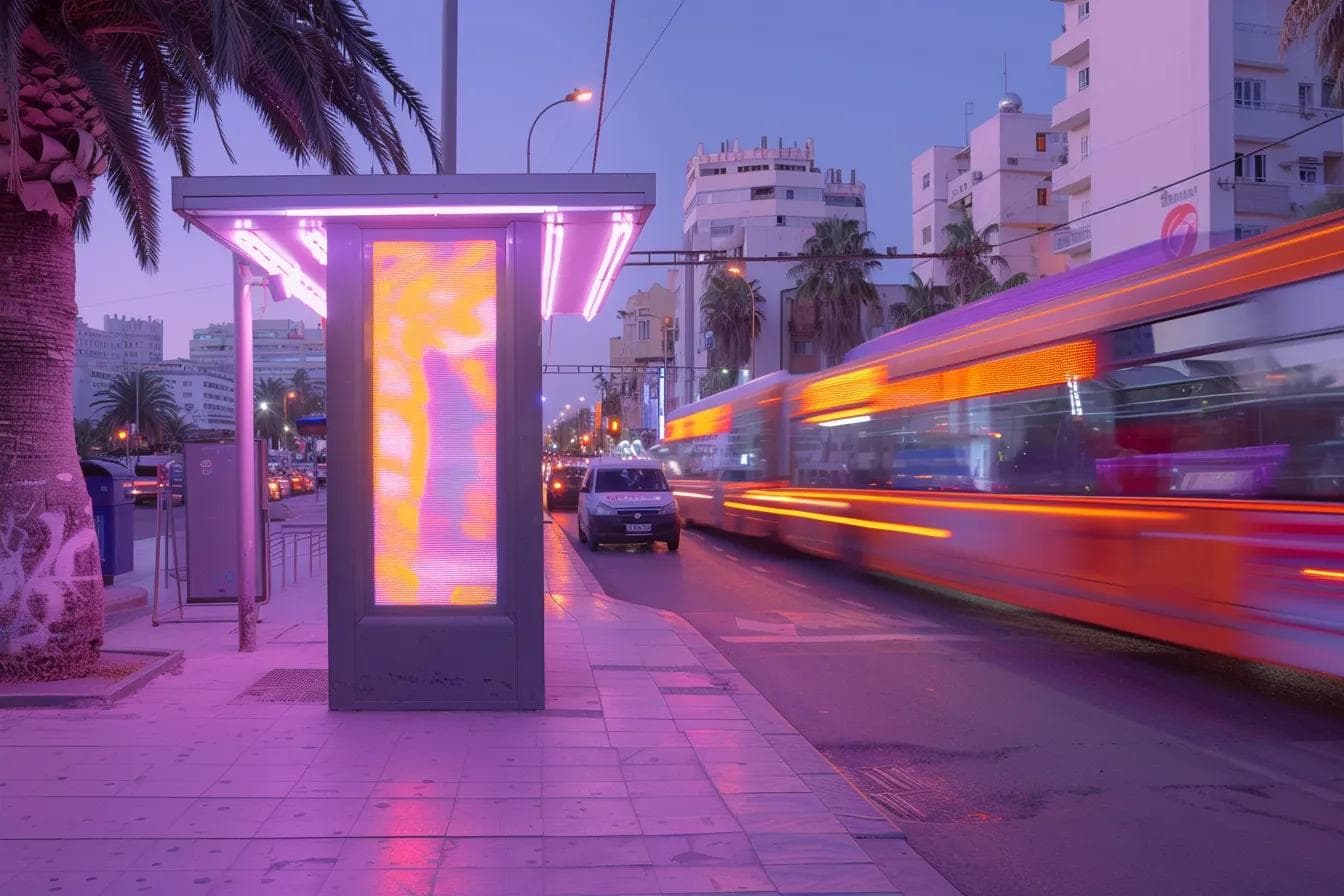
Weego connects riders across Morocco and Senegal with every transport option in their city.
What is next
Our roadmap is simple: every major city in Africa should have one app where you can find, book, and pay for any ride. We are starting with West and North Africa, but the vision is continental.
In the next 12 months, we are adding real-time bus schedules for public transit operators, integrating with more payment providers including M-Pesa, and launching in 4 new cities. If you want to follow along or try it yourself, the app is free on iOS and Android.